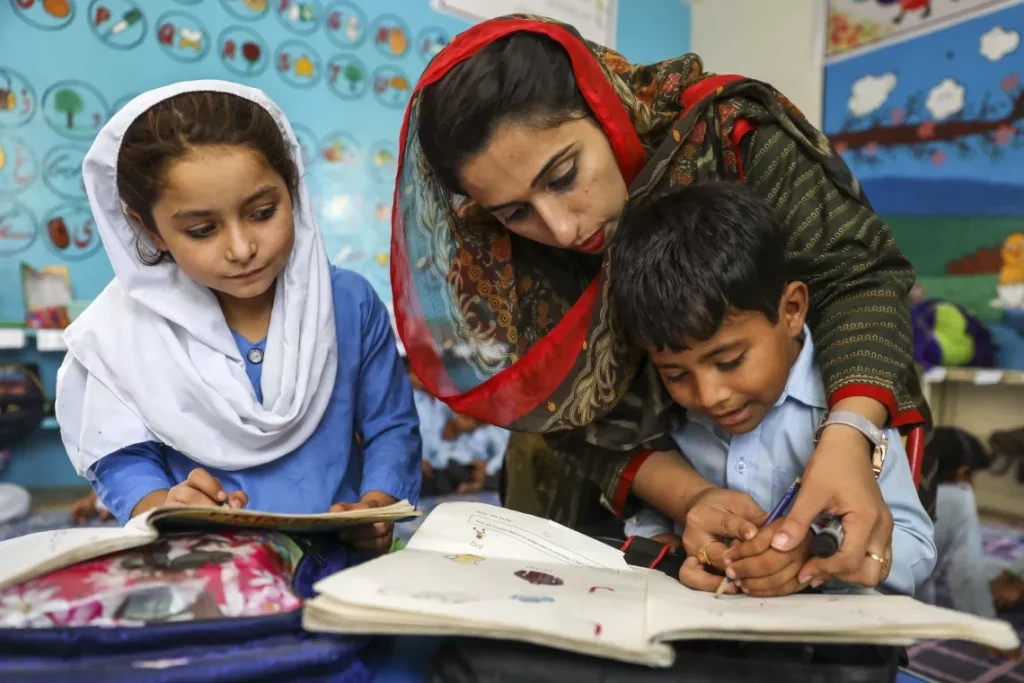
Program Overview: ASDE’s education program addresses the critical gap in quality basic education access for Pakistan’s most underserved children, with particular emphasis on girls’ education and adult literacy. The program operates on the understanding that education serves as the primary pathway out of poverty, providing individuals with knowledge, skills, and opportunities necessary for economic advancement and social participation.
In Pakistan’s rural and urban slum areas, millions of children lack access to quality basic education due to poverty, cultural barriers, inadequate infrastructure, and limited educational resources. Girls face additional challenges including early marriage, domestic responsibilities, and cultural restrictions on mobility. Adult illiteracy rates remain high, particularly among women, limiting economic opportunities and community development potential.
The organization operates subsidized schools and educational support centers that provide comprehensive educational services including formal schooling, adult literacy programs, teacher training, and educational resource development. The approach emphasizes community involvement, cultural sensitivity, and practical skill development alongside academic learning.

ASDE manages educational institutions with minimal or no fees, removing financial barriers that prevent children from attending school. Schools provide quality education following national curriculum standards while incorporating local context and practical skills. Facilities include properly equipped classrooms, libraries, computer labs, and recreational areas that create conducive learning environments.
Special initiatives increase girls’ school enrollment and retention through targeted interventions including female teachers, safe transportation, flexible scheduling, and community awareness campaigns. Programs address cultural barriers through community engagement and demonstrate the benefits of girls’ education for families and communities.
Continuous professional development programs ensure educators have necessary skills, knowledge, and resources to provide quality instruction. Training covers modern teaching methodologies, child psychology, classroom management, and subject-specific expertise. Regular workshops and peer learning sessions maintain teaching standards and introduce innovative approaches.
Basic literacy classes for adults, particularly women, provide foundational reading, writing, and numeracy skills. Programs are scheduled to accommodate work and family responsibilities, with curriculum designed for adult learning preferences and practical applications. Graduates often become community advocates for education and support their children’s academic success.
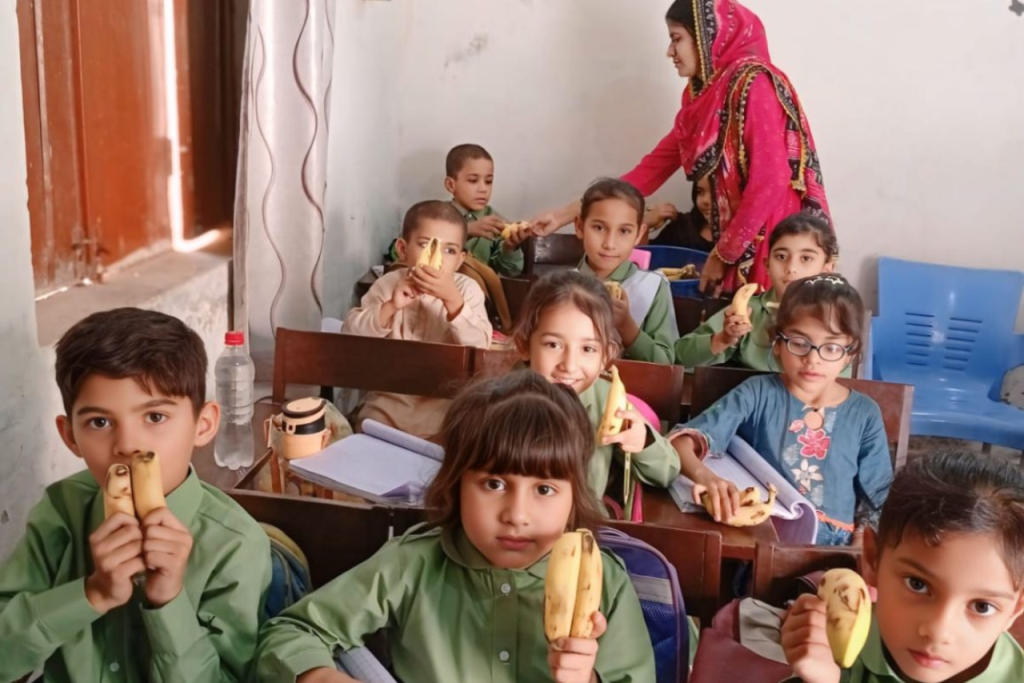
Comprehensive support includes free textbooks, school supplies, uniforms, nutritional programs, and transportation assistance. These services address barriers that might prevent children from attending school regularly or performing well academically.
Over 3,500 students are currently enrolled across 12 educational facilities, with an 85% completion rate in primary education significantly exceeding national averages. Girls’ enrollment has increased by 60% over the past three years, demonstrating the effectiveness of targeted interventions. The program employs 45 qualified teachers and has established strong community support systems that ensure program sustainability.
Merit-based scholarships support exceptional students in pursuing higher education, while need-based assistance ensures that financial constraints do not prevent capable students from continuing their studies. Support includes tuition fees, books, supplies, and living expenses for students from particularly disadvantaged backgrounds.
Program Overview: ASDE’s water and sanitation program addresses the critical need for clean, safe drinking water in communities lacking basic water infrastructure. The program recognizes that access to clean water forms the foundation of community health, educational achievement, and economic development.
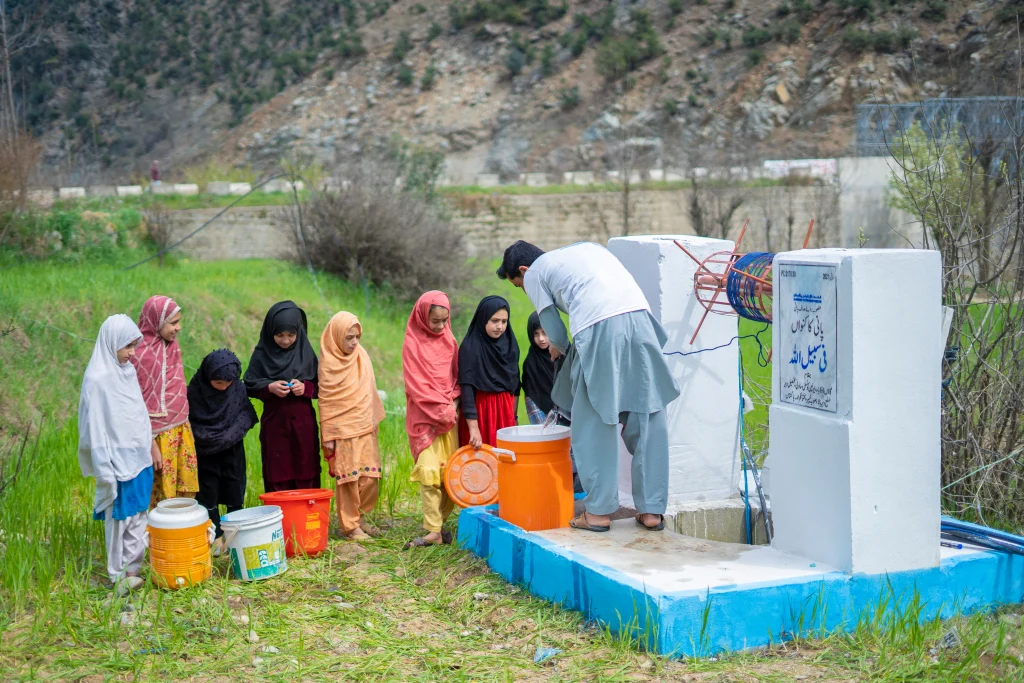
Many communities in ASDE’s operational areas lack access to safe drinking water, relying on contaminated sources that cause waterborne diseases and limit community development potential. Women and children often spend hours daily collecting water from distant sources, time that could be devoted to education or economic activities. Poor sanitation facilities compound health risks and particularly affect women’s dignity and safety.
The organization implements comprehensive water and sanitation projects that combine infrastructure development with community education and capacity building. Projects are designed with community input to ensure appropriateness, sustainability, and local ownership.
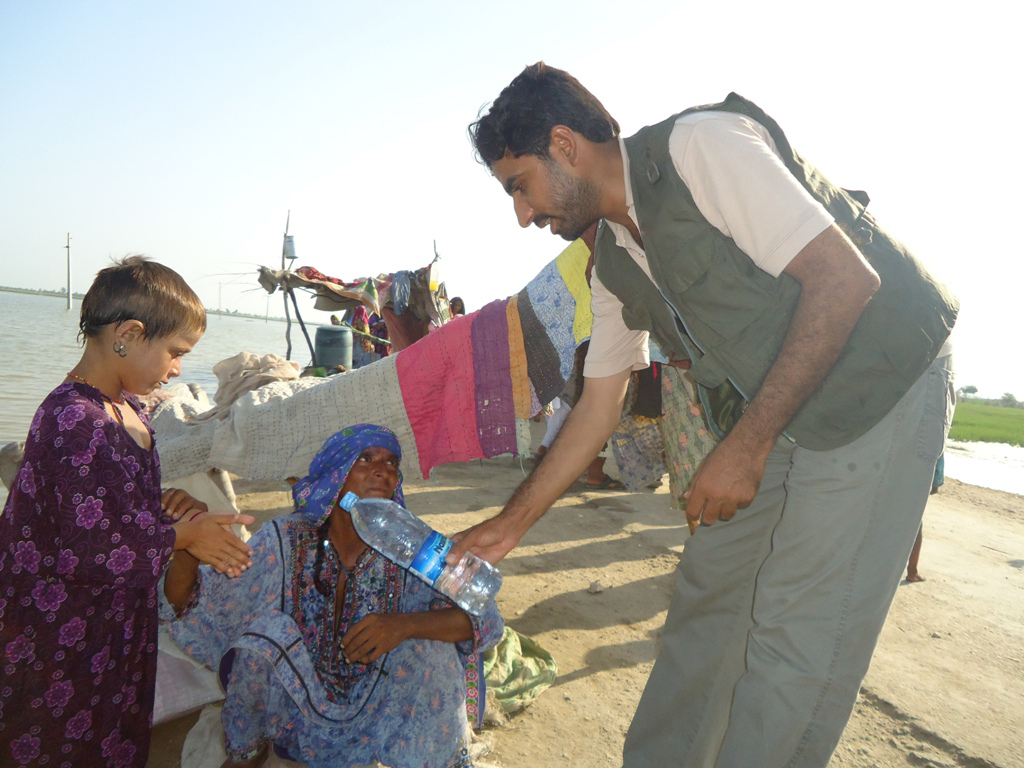
Installation of community-level water purification units that provide safe drinking water for multiple families. Systems are selected based on local water quality, community size, and maintenance capacity. Regular maintenance and monitoring ensure continued effectiveness and water quality standards.
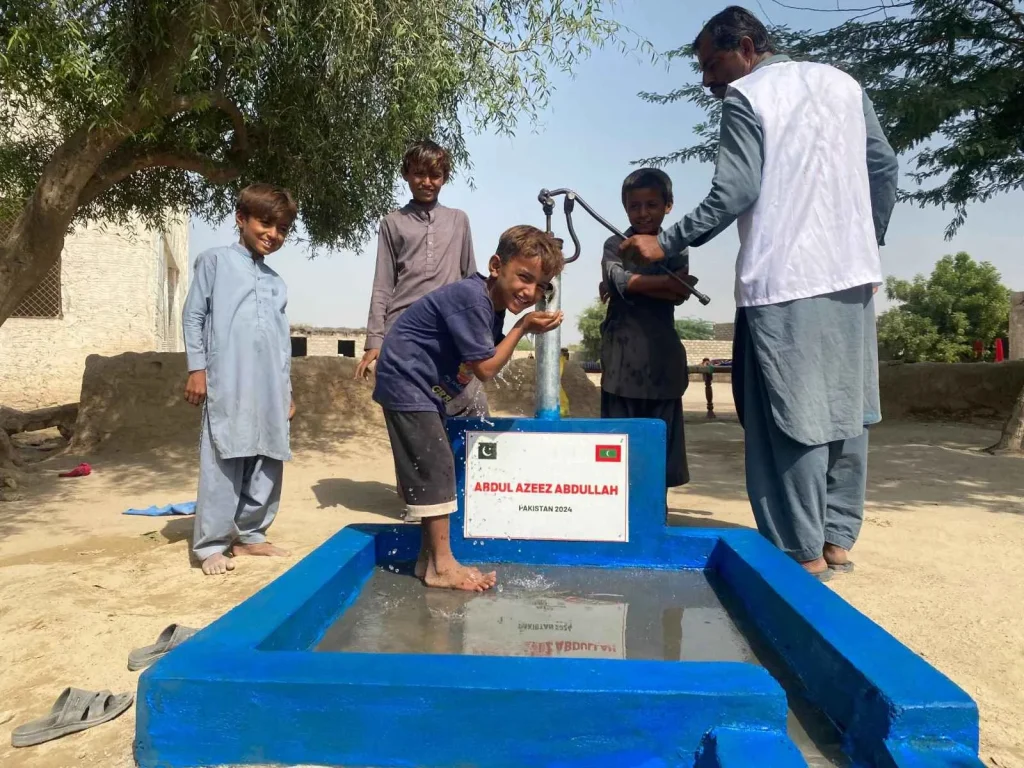
Drilling and maintenance of community wells in areas where groundwater provides the most sustainable water source. Projects include proper well construction, pump installation, and community training for ongoing maintenance and management.
Regular testing of water sources ensures safety standards are maintained and identifies potential contamination issues. Community members are trained in basic water quality assessment and system maintenance to ensure long-term sustainability.
Community workshops on water safety, sanitation practices, and hygiene behaviors complement infrastructure development. Education covers water storage, treatment methods, personal hygiene, and disease prevention strategies that maximize health benefits from improved water access.
Establishment of local water management committees ensures sustainable operation and maintenance of water systems. Committees receive training in financial management, technical maintenance, and conflict resolution to address water-related disputes.
ASDE has installed 12 water filtration systems serving over 8,000 people, resulting in a 95% reduction in waterborne diseases in served communities. Twenty-four community water management committees have been established and trained, ensuring sustainable system operation. The program has significantly reduced time spent on water collection, particularly benefiting women and children who can now devote time to education and economic activities.
Program Overview: ASDE’s comprehensive food security program addresses hunger and malnutrition through regular food distribution, emergency relief, nutrition education, and sustainable food production support. The program recognizes that adequate nutrition is essential for physical and cognitive development, educational achievement, and economic productivity.
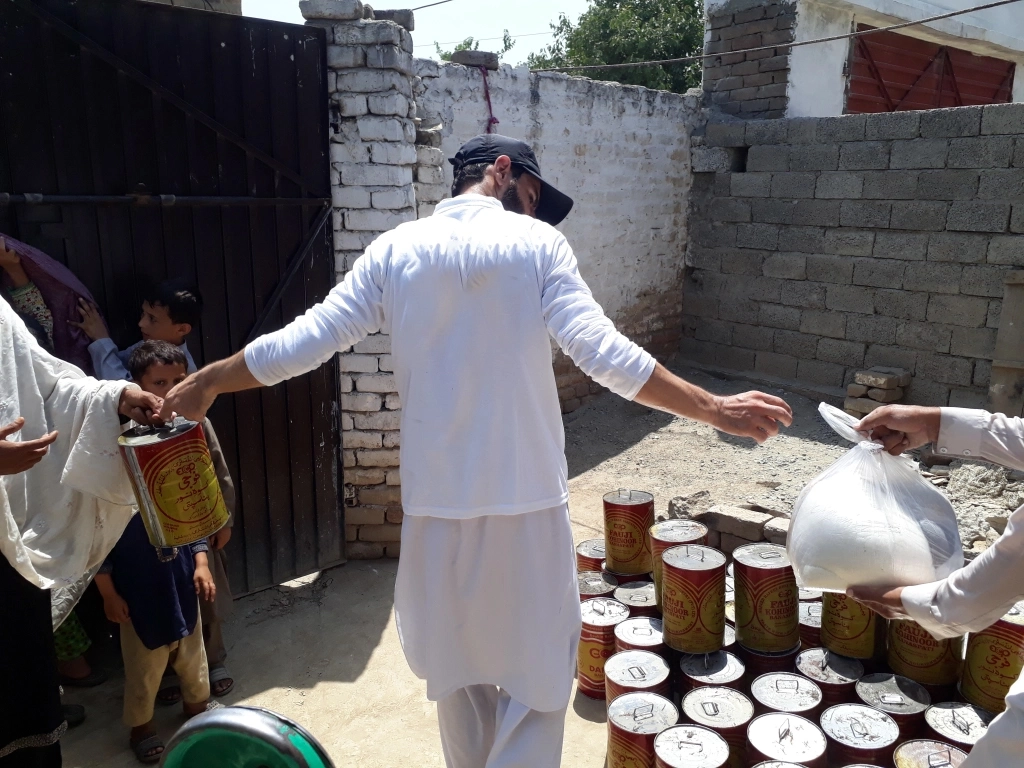
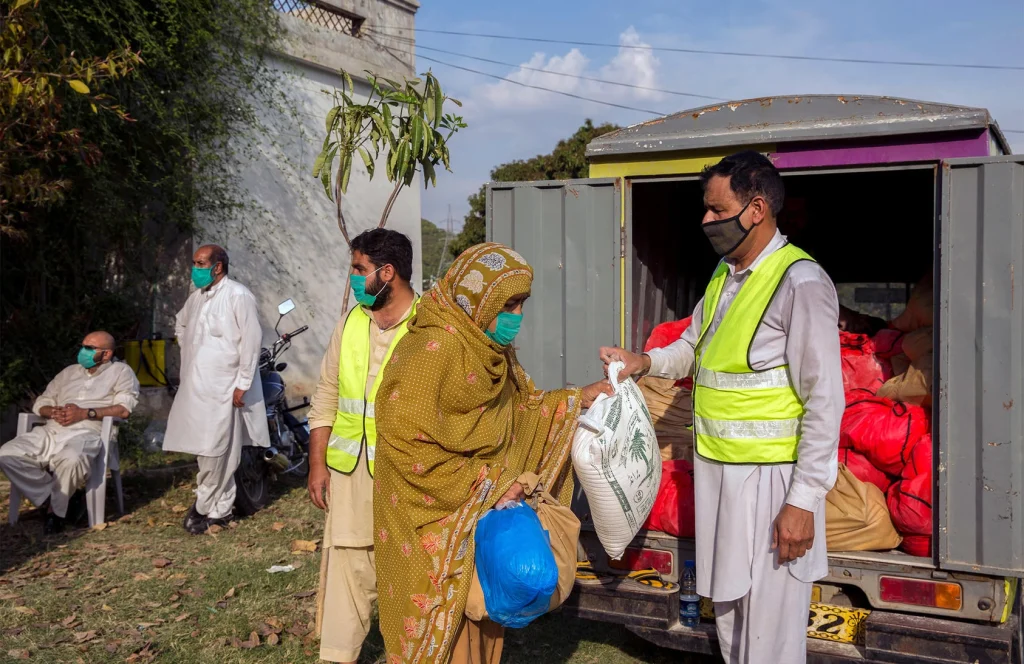
Food insecurity affects millions of Pakistani families, particularly in rural areas and urban slums where ASDE operates. Malnutrition rates remain high among children and pregnant women, limiting human development potential and perpetuating cycles of poverty. Economic shocks, natural disasters, and seasonal variations in food availability create additional vulnerabilities for already marginalized populations.
The organization provides immediate food assistance while building long-term food security through education, skills development, and sustainable production support. Programs are designed to address both acute hunger and underlying causes of food insecurity.
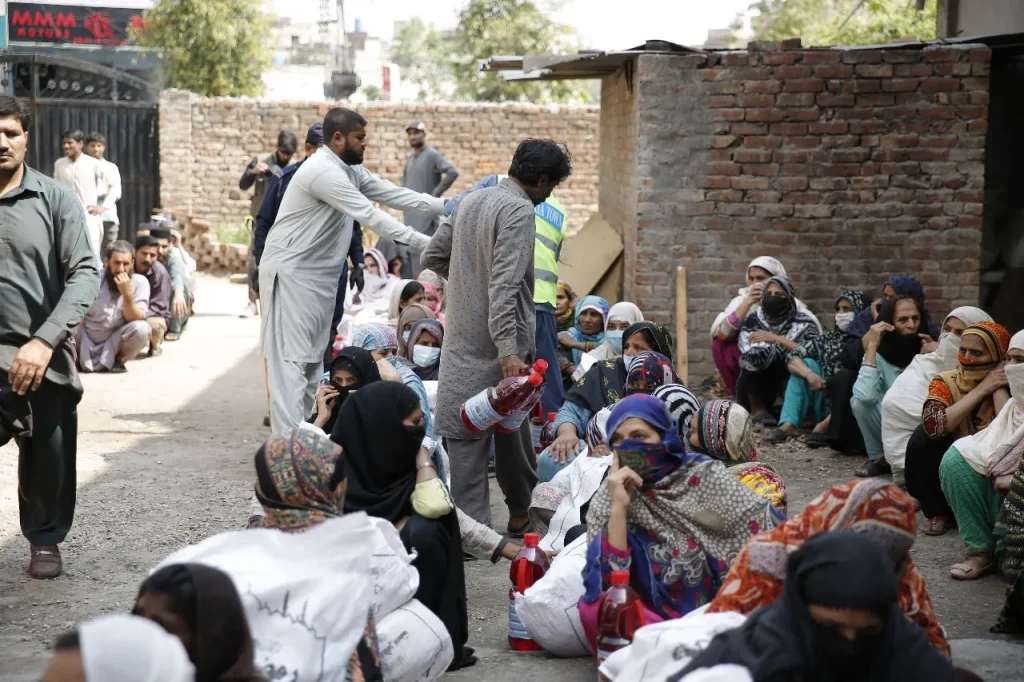
Regular distribution of essential food items to 450+ families monthly, providing staple foods including flour, rice, lentils, cooking oil, sugar, and seasonal produce. Ration packages are designed to meet basic nutritional needs and are distributed through transparent, community-based systems that ensure equitable access.
Rapid response capabilities for natural disasters, economic crises, and seasonal food shortages. Emergency distributions provide immediate relief while longer-term recovery support helps communities rebuild food security. Response protocols ensure quick mobilization of resources and effective coordination with other relief organizations.
Community workshops on healthy eating, food preparation, and nutrition management help families maximize the nutritional value of available resources. Education covers meal planning, food storage, child nutrition, and management of malnutrition. Programs particularly target mothers and caregivers who make household food decisions.
Special distributions during Ramadan, winter months, and other periods of increased need ensure that vulnerable families can participate in cultural and religious observances with dignity. Campaigns often include special foods and treats that provide psychological and social benefits alongside nutritional support.
Support for household and community gardens enables families to produce fresh vegetables and fruits, improving nutrition while reducing food costs. Programs provide seeds, tools, training, and ongoing technical support to ensure successful food production.
ASDE distributes over 8,200 food and ration packages annually, reaching thousands of vulnerable individuals with essential nutrition. Emergency response capabilities have provided critical support during natural disasters and economic crises. Nutrition education programs have improved dietary practices and child health outcomes in served communities.
Program Overview: ASDE’s health program ensures basic healthcare access for underserved communities through mobile health clinics, medicine distribution, health screenings, and health education. The program addresses both immediate health needs and underlying factors that contribute to poor health outcomes in marginalized communities.
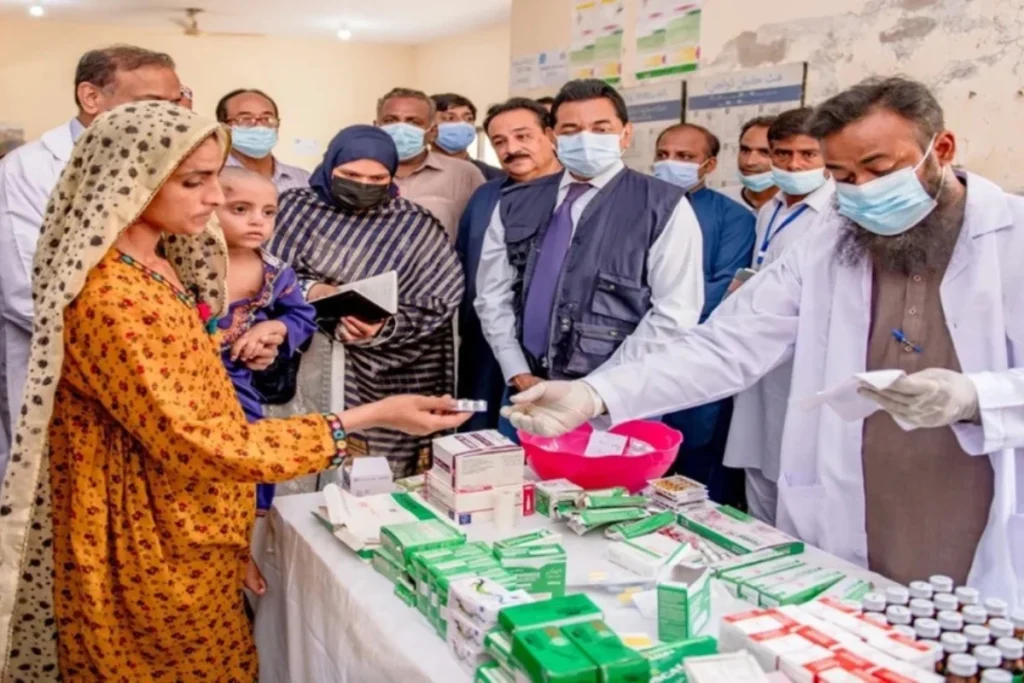
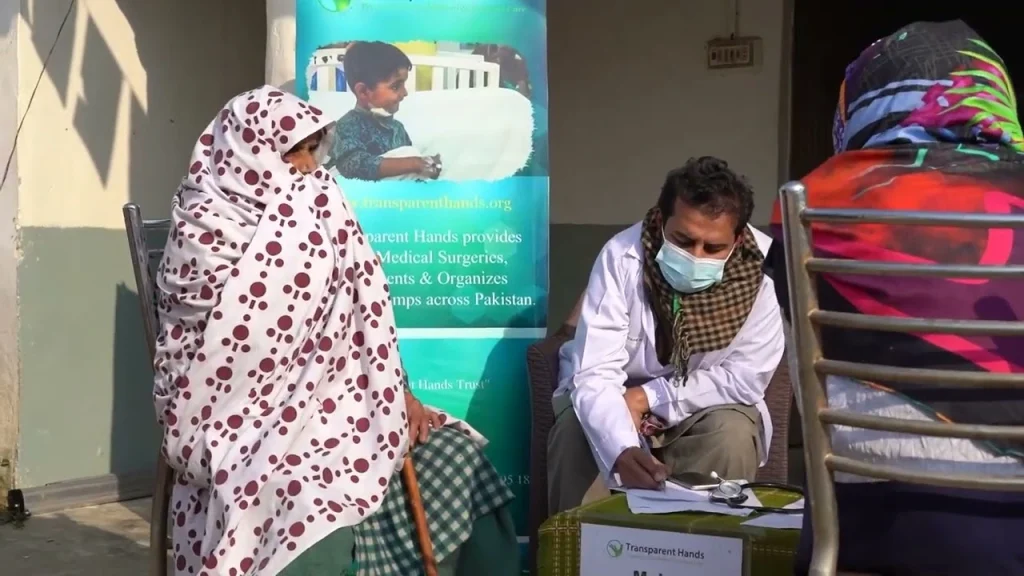
Many communities in ASDE’s operational areas lack access to basic healthcare services due to distance, cost, and limited availability of qualified medical professionals. Preventable diseases remain common due to poor sanitation, inadequate nutrition, and limited health knowledge. Chronic conditions often go untreated, leading to complications and reduced quality of life.
The organization provides comprehensive primary healthcare services that combine treatment with prevention and health education. Services are delivered through community-based approaches that build local capacity and ensure cultural appropriateness.
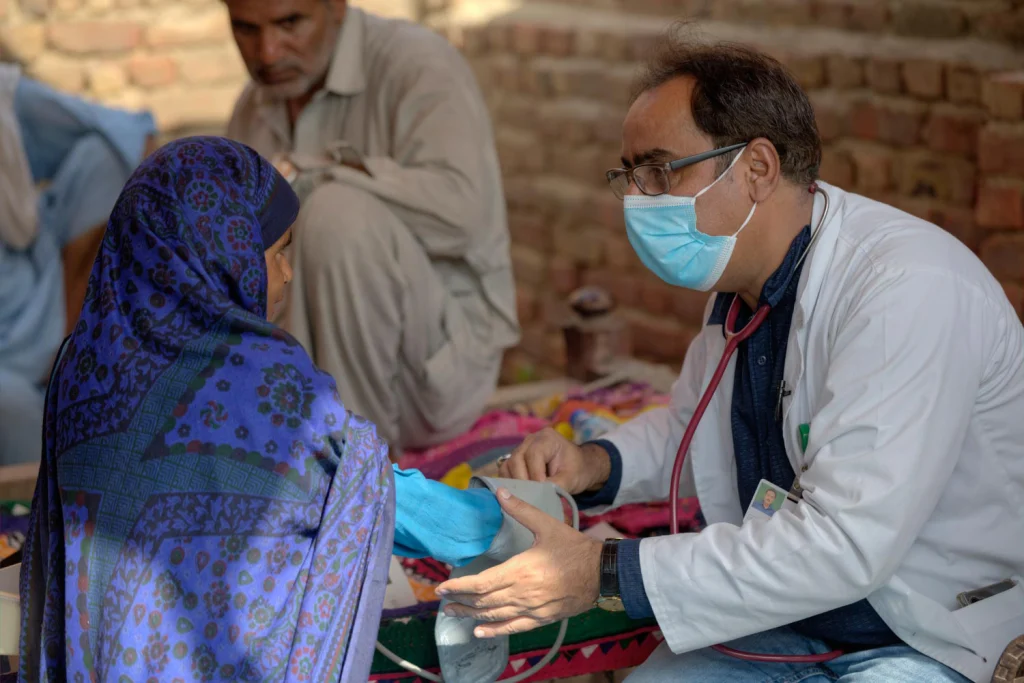
Regular medical camps in rural and underserved urban areas provide basic medical consultations, health screenings, and treatment for common conditions. Clinics are staffed by qualified medical professionals and equipped with essential medical supplies and diagnostic equipment.
Regular provision of essential medications for chronic conditions, acute illnesses, and preventive care. Medicine distribution includes proper dosage instructions, monitoring for side effects, and follow-up care to ensure treatment effectiveness.
Specialized services for pregnant women, new mothers, and children include prenatal care, delivery assistance, postnatal support, immunizations, and growth monitoring. Programs address high maternal and infant mortality rates through comprehensive care and education.
Regular health screenings identify health problems early when treatment is most effective. Screenings cover common conditions such as diabetes, hypertension, tuberculosis, and malnutrition, with referral systems for specialized care when needed.
ASDE conducts over 2,400 medical consultations annually through mobile health clinics and regular health camps. The program provides ongoing medication support for 850+ patients with chronic conditions and maintains 95% immunization coverage in target areas. Health education programs have improved health practices and reduced disease incidence in served communities.
Program Overview: ASDE’s community empowerment program builds local capacity and creates economic opportunities through skills training, vocational education, small business support, and leadership development. The program recognizes that sustainable development requires communities to have the knowledge, skills, and resources necessary for self-sufficiency.
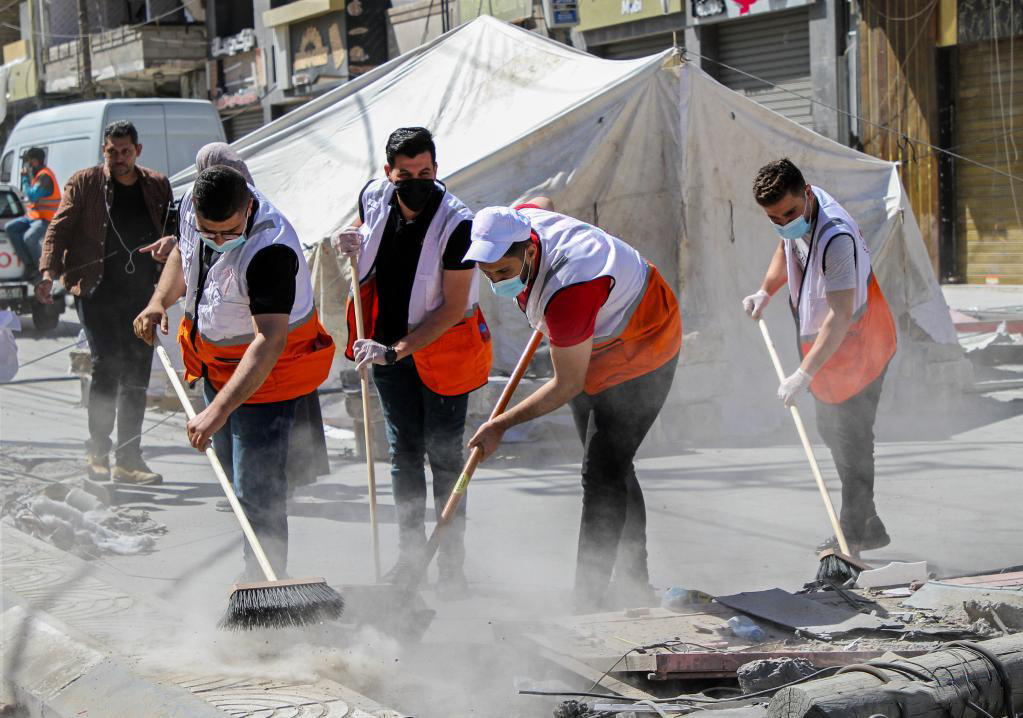
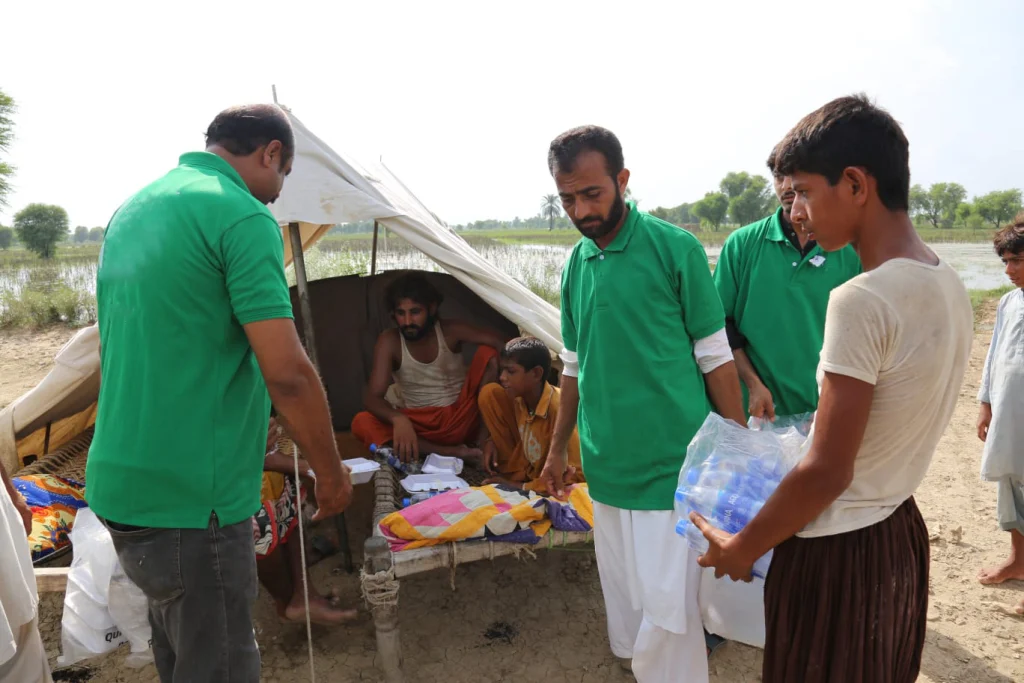
Limited economic opportunities, lack of marketable skills, and weak local institutions perpetuate poverty and dependence in many communities. Traditional gender roles and social barriers often prevent women and marginalized groups from participating fully in economic activities. Limited access to credit, markets, and business development support constrains entrepreneurship and small business growth.
The organization provides comprehensive capacity building that combines skills training with business development support, leadership training, and institutional strengthening. Programs are designed to create sustainable economic opportunities while strengthening community social structures.
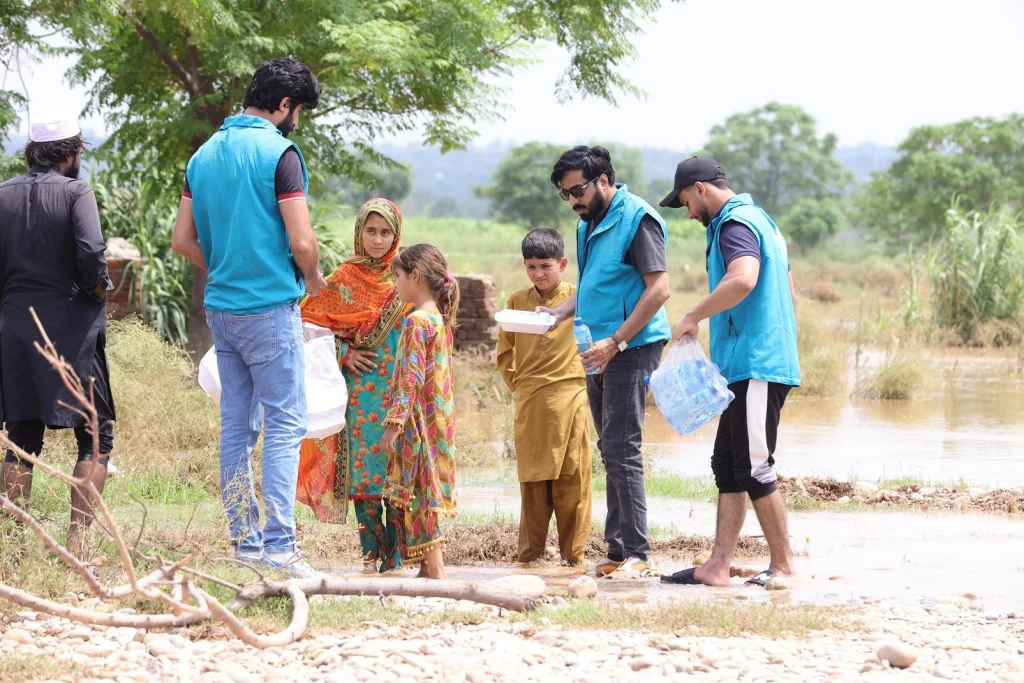
Comprehensive training programs in marketable skills including sewing, embroidery, handicrafts, food processing, computer skills, mobile repair, electrical work, and agricultural techniques. Training includes both technical skills and business management knowledge necessary for successful employment or entrepreneurship.
Specialized programs for women include skills training, cooperative formation, market linkage development, and leadership training. Programs address cultural barriers and provide supportive environments for women’s economic participation while respecting local customs and values.
Entrepreneurship training, business plan development, and ongoing mentorship help individuals establish and grow small businesses. Support includes market analysis, financial management, product development, and marketing strategies that increase business success rates.
Programs for young people include leadership training, civic engagement education, and career guidance that prepare them for productive roles in their communities. Youth programs often focus on education, technology, and social innovation that can drive community development.
Support for local organizations, cooperatives, and community groups builds institutional capacity for ongoing development activities. Training covers organizational management, financial systems, project planning, and advocacy skills that enable communities to address their own development needs.
ASDE trains over 180 individuals annually in various vocational skills, with a 70% job placement rate for training graduates. The program has supported the establishment of 45 small businesses and 25 women’s cooperatives that provide ongoing economic opportunities. Community institution strengthening has created sustainable local capacity for continued development activities.
Program Overview: ASDE’s care program ensures orphaned children and elderly community members receive comprehensive support that addresses their immediate needs while providing opportunities for dignity, development, and social participation. The program recognizes that vulnerable individuals require specialized attention and support systems.
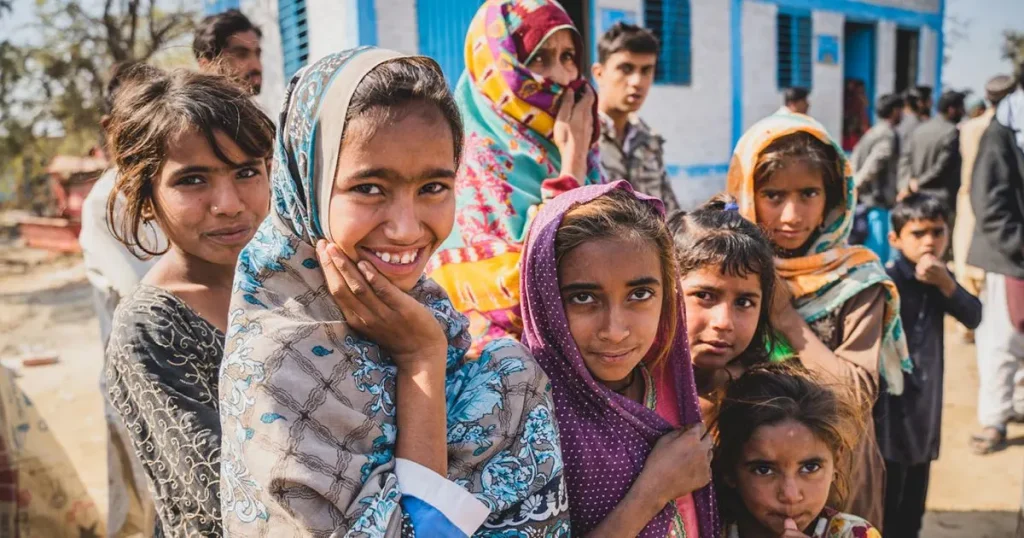
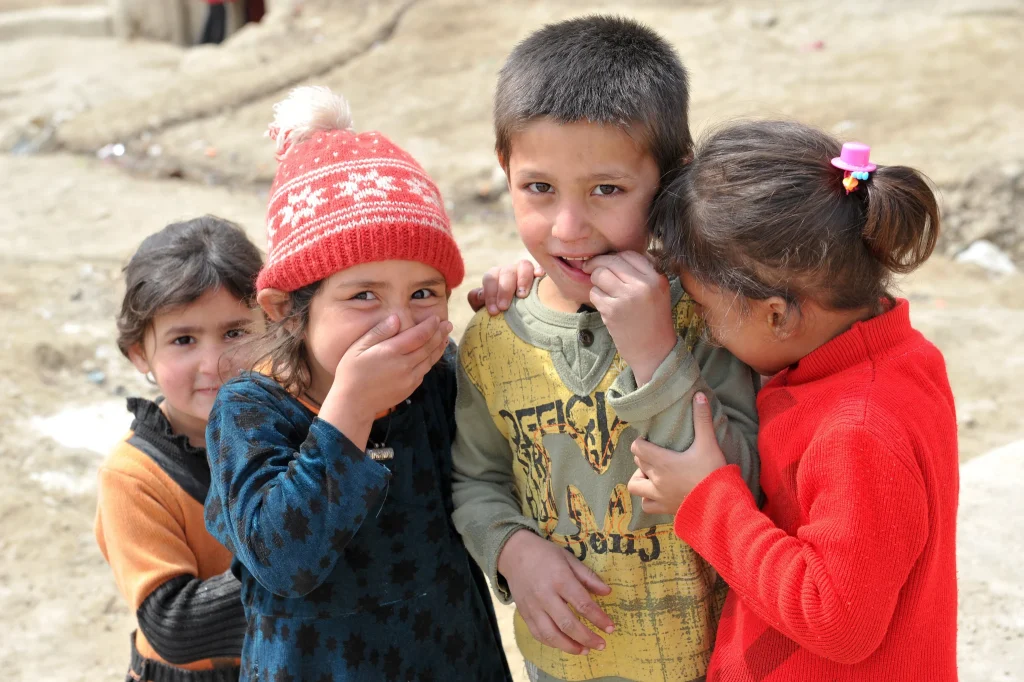
Orphaned children and elderly individuals often face social isolation, economic hardship, and limited access to essential services. Without family support systems, these individuals are particularly vulnerable to exploitation, neglect, and exclusion from community life. Traditional support systems may be inadequate to address complex needs in changing social and economic contexts.
The organization provides comprehensive support that addresses immediate needs while building long-term security and opportunities. Programs are designed to maintain dignity, promote social inclusion, and provide pathways for positive development.
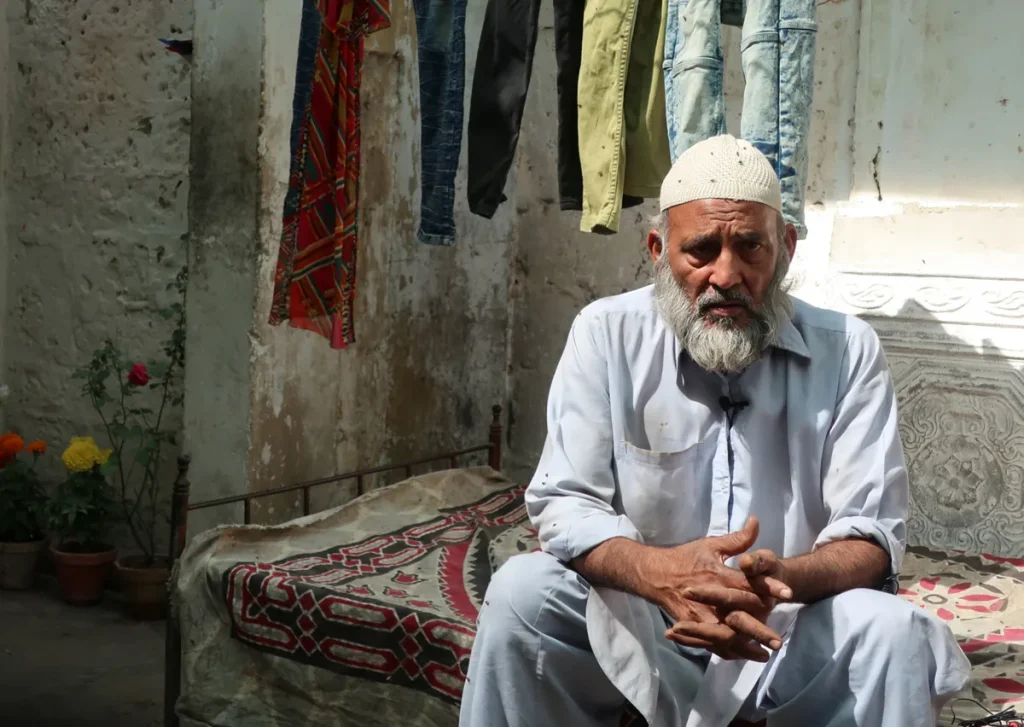
Complete educational support from primary through completion includes tuition fees, books, supplies, uniforms, and transportation. Educational support is combined with mentorship, career guidance, and skill development that prepare orphans for successful adult lives.
Regular allowances for basic needs including food, clothing, healthcare, and other essential expenses ensure that orphans and elderly individuals can maintain dignified lives. Financial support is provided through transparent systems with regular monitoring and accountability measures.
Comprehensive medical and dental care includes regular check-ups, treatment for acute and chronic conditions, medications, and specialized care when needed. Healthcare support addresses both immediate needs and preventive care that maintains long-term health.
Counseling services, mentorship programs, and social activities address psychological and social needs that are often overlooked in traditional care approaches. Support includes grief counseling, life skills training, and social integration activities that promote healthy development.
Age-appropriate training and education prepare orphans for future employment and independent living. Programs include vocational training, life skills education, and career guidance that provide pathways to self-sufficiency.
ASDE provides comprehensive support for 175+ orphans under regular sponsorship, maintaining 100% school enrollment rates and providing pathways to higher education and employment. The program operates a 24/7 support helpline and conducts monthly family visit programs that ensure ongoing support and monitoring. Elderly care services reach hundreds of individuals with regular health check-ups, medication provision, and social engagement opportunities.